Advertorial • Educational Feature
THE WELL WIRE
Independent wellness education
Special Educational Feature
Why Blood Sugar Can Rise and Fall — Even When Your Routine Has Not Changed
A practical guide to understanding glucose patterns, meal balance, movement, sleep and the everyday factors that can influence your readings.
By Health Education Desk • Updated August 2026 • 9-minute read
Blood sugar is influenced by more than sweets.
Meals, portion sizes, carbohydrate type, activity, sleep, stress, illness and medication timing can all affect how glucose changes throughout the day.
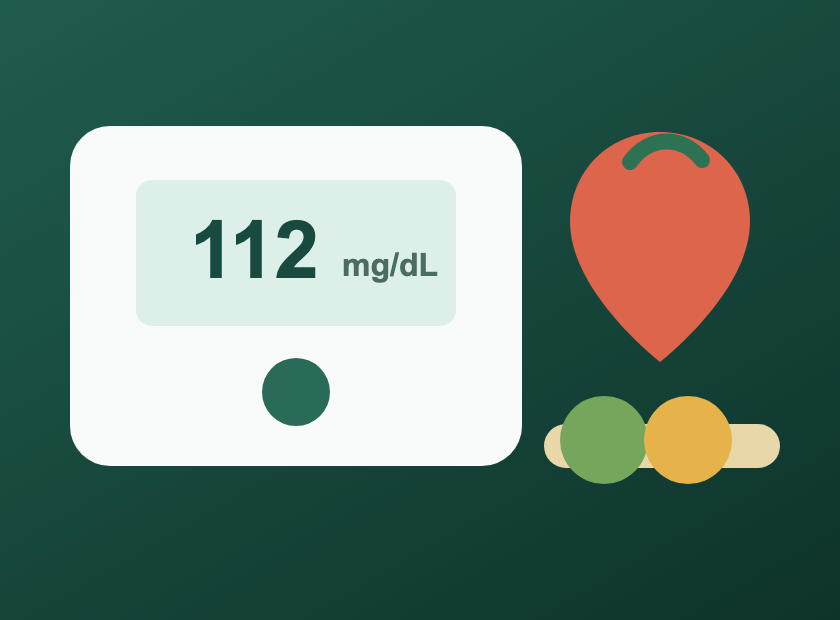
Glucose is a major source of energy for the body. After food is digested, glucose enters the bloodstream, and insulin helps move it into cells where it can be used or stored. When this process is disrupted, blood sugar may stay higher than intended or fluctuate more widely.
One reading rarely tells the whole story. The timing of a meal, what was eaten, physical activity, sleep quality, stress, illness and medicines can all change the result. Looking for patterns over several days is generally more useful than reacting to one isolated number.
Important distinction
Blood sugar goals are individualized. Targets may differ based on age, pregnancy, medications, other health conditions and risk of low blood sugar. Personal targets should come from a qualified healthcare professional.
What a blood glucose reading actually shows
A glucose meter provides a snapshot of the glucose present in the blood at that moment. A continuous glucose monitor estimates glucose in fluid beneath the skin and shows direction and trends over time.
Fasting reading
Usually measured after not eating overnight. It helps show the body’s baseline glucose regulation.
After-meal reading
Shows how a meal and the body’s insulin response affected glucose during the following hours.
A1C
A laboratory test that estimates average glucose exposure over roughly the previous two to three months.
Trend and context
Repeated results, symptoms, food, activity and medication timing provide more useful context than one number alone.
How to get a more dependable meter reading
1
Food residue, moisture or lotion on the fingers may interfere with some meter readings.
2
Use supplies correctly
Check that strips are compatible with the meter, not expired and stored according to the manufacturer’s instructions.
3
Record the surrounding details
Note the time, whether the reading was before or after food, what you ate, activity, symptoms and medication timing.
4
Confirm unexpected results
If a reading seems inconsistent with how you feel or with your usual pattern, repeat it according to the device instructions and follow your care plan.

A balanced plate can make portions easier to visualize. Personal needs vary, especially for people using insulin or medicines that can cause low blood sugar.
Six daily habits that can support steadier glucose patterns
No single ingredient, drink or routine replaces an individualized diabetes care plan. Several well-established habits, however, can work together to improve consistency.
Build balanced meals
Pair carbohydrates with vegetables, protein, fiber and healthy fats. This can improve fullness and may reduce how quickly glucose rises after a meal.
Understand carbohydrates
Bread, rice, pasta, potatoes, fruit, milk, sweets and many drinks contain carbohydrates. Portion and total amount often matter as much as the food’s label.
Move after meals
Even a brief walk or light activity after eating may help muscles use glucose. The right amount depends on fitness, medication and risk of low blood sugar.
Protect sleep quality
Irregular or insufficient sleep can influence appetite, food choices, insulin sensitivity and the ability to follow a consistent routine.
Track useful patterns
Record glucose alongside meals, portions, activity, sleep and medication timing. A simple log may make patterns easier to discuss with your care team.
Take medicine as directed
Do not stop insulin or prescribed medicine because of a webpage, supplement claim or a few improved readings. Medication changes require professional guidance.
Why “avoiding sugar” is not the whole picture
Added sugar matters, especially in sweetened beverages, but blood glucose is also affected by total carbohydrates, portion sizes, meal timing, physical activity, stress, sleep, illness and medication. Foods that do not taste sweet—such as bread, rice or potatoes—can still raise glucose.
A better approach is usually to look at the complete meal and the pattern across the day. A carbohydrate eaten alone may affect glucose differently than the same amount paired with protein, fiber, vegetables or activity.
The goal is not to fear every meal or chase one perfect reading. It is to build a safer and more predictable pattern over time.
Ingredients studied for metabolic and glucose support
Researchers have examined several nutrients and botanical compounds for possible effects on glucose metabolism. Results vary, and research on an individual ingredient does not prove that a commercial formula will produce the same outcome.
CIN
Cinnamon
Cinnamon has been evaluated in randomized trials and meta-analyses involving people with type 2 diabetes. Some analyses report improvements in fasting glucose, while effects on A1C and the best dose remain inconsistent.
Evidence is mixed
Mg
Magnesium
Magnesium participates in insulin signaling and normal glucose metabolism. Reviews suggest supplementation may modestly improve some glucose markers, particularly when intake or magnesium status is low.
Studied in clinical trials
Cr
Chromium
Chromium supplementation has been studied for glycemic control, but findings differ between populations and formulations. Benefits are not established for everyone, and excessive intake can carry risks.
Results vary
ALA
Alpha-lipoic acid
Alpha-lipoic acid is an antioxidant compound studied in diabetes and metabolic research. Some analyses report changes in fasting glucose or insulin-related markers, while clinical significance remains uncertain.
Research remains limited
Important: These ingredients are not proven cures for diabetes and should not replace insulin, prescribed medication, monitoring or professional care. Supplements can interact with medicines and may increase the risk of low blood sugar. Speak with a qualified healthcare professional before using concentrated supplements.